Contents
Customs clearance is one of the most important steps in international shipping and freight forwarding. Whether businesses are importing commercial goods, exporting cargo, or managing international trade operations, proper customs processing is essential to avoid shipment delays, penalties, and additional costs.Dubai is one of the world’s leading trade and logistics hubs, handling millions of shipments every year through its ports, airports, and free zones.
Customs clearance is one of the most important steps in international shipping and freight forwarding. Whether businesses are importing commercial goods, exporting cargo, or managing international trade operations, proper customs processing is essential to avoid shipment delays, penalties, and additional costs.
Dubai is one of the world’s leading trade and logistics hubs, handling millions of shipments every year through its ports, airports, and free zones. Understanding how customs clearance works helps businesses streamline cargo movement and maintain smooth supply chain operations.
What Is Customs Clearance?
Customs clearance is the official process of getting goods approved by government customs authorities before cargo can enter or leave a country.
The process involves:
- Cargo documentation
- Duty and tax calculations
- Shipment inspections
- Customs approvals
- Regulatory compliance
Businesses involved in international shipping often rely on professional Customs Clearance Brokerage Services to manage the entire clearance process efficiently.
Why Customs Clearance Is Important
Without proper customs clearance, shipments can face:
- Delays at ports or airports
- Cargo holds
- Financial penalties
- Additional storage charges
- Regulatory issues
Professional customs support helps businesses:
- Reduce delays
- Improve shipping efficiency
- Ensure legal compliance
- Simplify import/export procedures
Companies using international Sea Freight Services and Air Freight Services require proper customs coordination for smooth cargo movement.
Main Steps in Customs Clearance
The first step in customs clearance is preparing shipping documents.
Common documents include:
- Commercial invoice
- Packing list
- Bill of lading
- Airway bill
- Import/export permits
- Certificate of origin
Businesses often use:
to simplify document submission and customs processing.
Customs authorities calculate import duties and VAT based on:
- Product category
- HS code classification
- Cargo value
- Country of origin
Incorrect declarations can result in shipment delays or penalties.
Businesses frequently rely on:
for accurate customs calculations.
Some shipments require physical inspection by customs authorities to verify:
- Cargo type
- Documentation accuracy
- Product compliance
- Safety regulations
Businesses managing commercial imports often use:
to speed up inspection procedures.
Once duties are paid and documents are approved, customs authorities release the cargo for delivery or transportation.
At this stage, shipments may continue through:
- Warehousing
- Distribution
- Door-to-door delivery
- GCC transportation
Businesses often combine customs services with:
for complete logistics management.
Customs Clearance at Jebel Ali Port
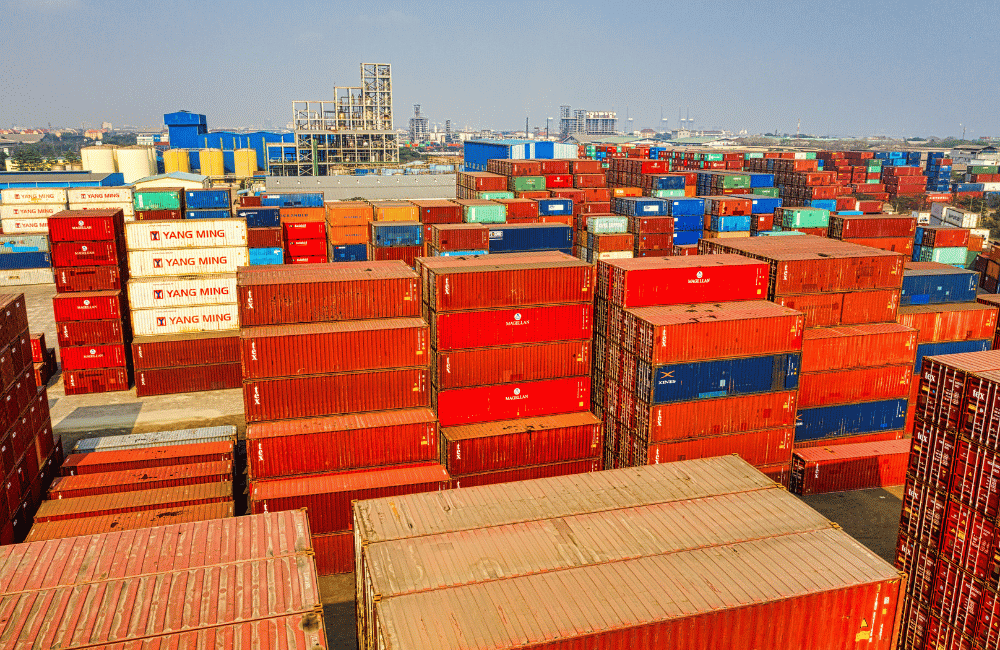
Jebel Ali Port is one of the busiest ports in the Middle East and handles large volumes of commercial cargo every day.
Businesses importing goods through Dubai often require:
for efficient sea freight cargo processing.
Many international shipments arriving through Jebel Ali also use:
for worldwide cargo transportation.
Customs Clearance for Air Freight
Air cargo shipments require fast customs processing because of tight delivery schedules.
Businesses handling urgent cargo often combine customs services with:
to reduce shipping delays.
This is especially important for:
- Medical cargo
- Electronics
- Time-sensitive shipments
- E-commerce deliveries
Free Zone & Mainland Customs Clearance
Dubai businesses may operate in:
- Mainland UAE
- Free zones such as JAFZA
Each area has different customs regulations and procedures.
Professional logistics providers offer:
to ensure compliance with UAE trade laws.
Businesses storing goods in free zones may also use:
for inventory management and cargo distribution.
Common Customs Clearance Challenges
Businesses often face customs issues such as:
- Incorrect HS codes
- Missing documents
- Delayed approvals
- Regulatory restrictions
- Improper cargo labeling
These challenges can increase shipping costs and disrupt supply chains.
Many companies avoid these problems through:
and professional logistics support.
Importance of Professional Packing for Customs
Proper packaging helps customs authorities inspect cargo safely and efficiently.
Businesses shipping sensitive or commercial cargo often use:
to improve shipment safety and compliance.
Why Businesses Choose Cannata for Customs Clearance
Cannata provides professional customs clearance and logistics services for businesses across UAE and international markets.
Services include:
- Customs brokerage
- Air freight
- Sea freight
- Warehousing
- GCC transportation
- Cargo handling
- Door-to-door delivery
Businesses can also explore:
for customized logistics and customs support.
Final Thoughts
Customs clearance is a critical part of international trade and cargo transportation. Proper customs management helps businesses avoid delays, reduce shipping risks, and maintain smooth import/export operations.
By working with experienced customs clearance professionals, businesses can simplify documentation, improve compliance, and ensure efficient cargo movement across global markets.